
Bee Swarms on Your Texas Land: What Landowners Need to Know (and What to Do)
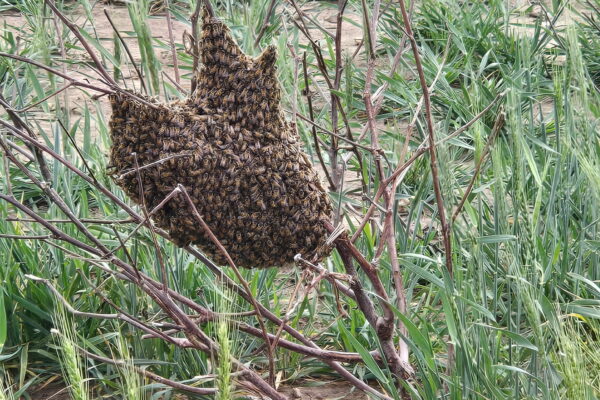
If you own rural or recreational property in Texas, spotting a swarm of bees on your land can feel alarming at first. A cloud of buzzing insects clustering on a tree limb, fence post, or even a building isn’t something most people expect, but it’s actually a natural and important part of the honeybee life cycle.
At Ekdahl Real Estate, we work with landowners across Texas who encounter wildlife situations like this, and we have put together a practical, no-nonsense guide to understanding bee swarms, how to handle them safely, and why calling a beekeeper is almost always the right move.
What Is a Bee Swarm?
A bee swarm happens when a colony of honeybees outgrows its current hive. The queen leaves with a large group of worker bees to find a new home, temporarily clustering somewhere nearby while scout bees search for a permanent location.
Key things to know:
-
Swarms are usually temporary (lasting a few hours to a couple of days).
-
Bees in a swarm are often less aggressive than bees defending a hive.
-
They are not looking to attack you. They are looking for a new home.
Why Bee Swarms Matter (More Than You Think)
Honeybees play a critical role in agriculture and land health. Without them, pollination — and therefore crop production — takes a major hit.
Here’s the reality:
-
Only 12–15% of wild swarms survive in nature.
-
Rescuing a swarm helps support local ecosystems and agriculture.
-
Beekeepers can safely relocate and rehome the colony.
So while it may feel like a nuisance, a bee swarm is actually an opportunity to do something beneficial for your land and the environment.
What You SHOULD Do If You See a Swarm
1. Keep Your Distance
This is the most important first step. Give the bees space and avoid disturbing them.
2. Call a Qualified Beekeeper
Do not try to handle the situation yourself. A local beekeeper has the proper equipment and experience to safely remove and relocate the swarm.
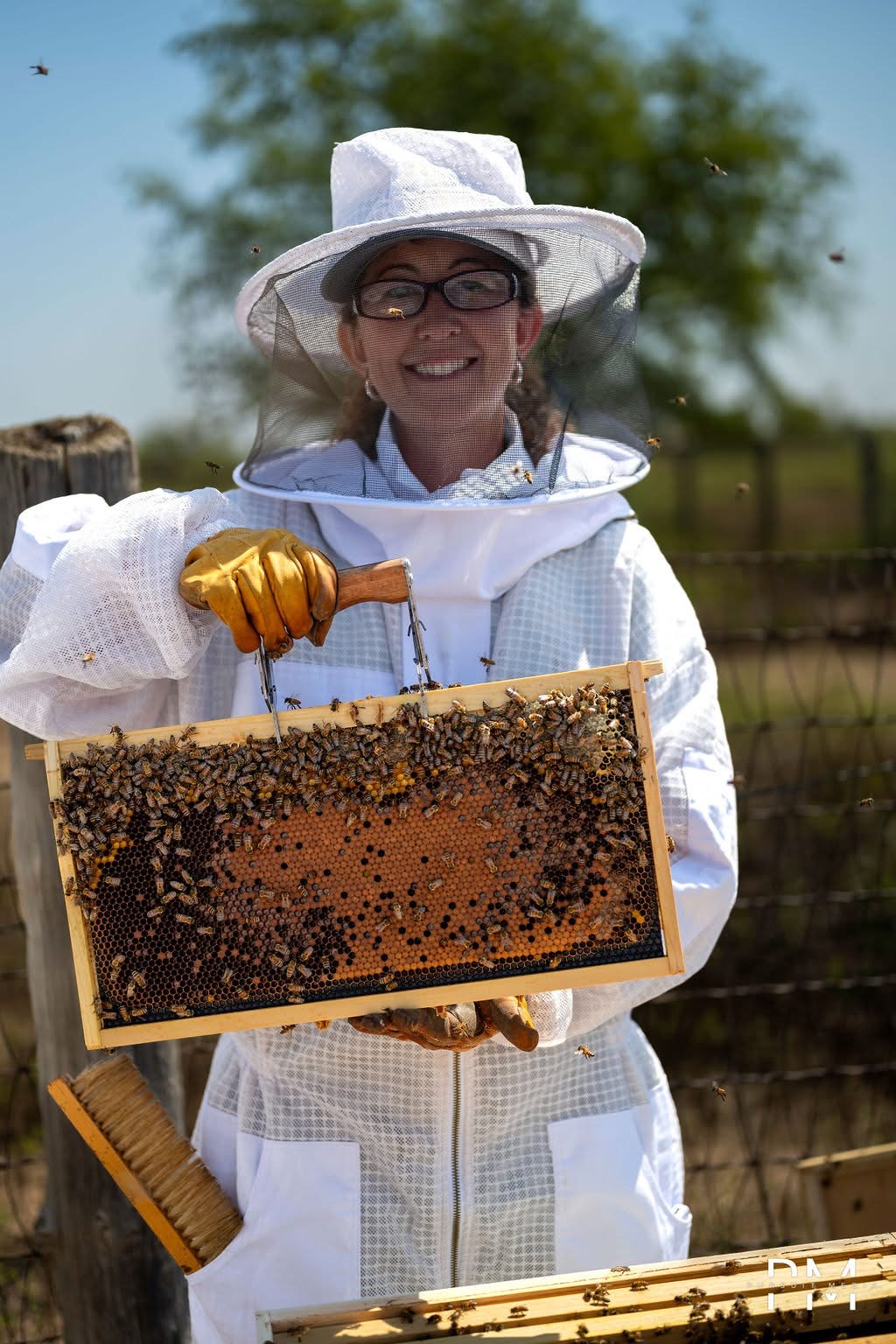
If you’re in the Ekdahl network, you’re in luck: one of our agents, Crissy Ward (that’s me!), is also an avid beekeeper and owner of Sadie Grace Farms, where she specializes in bee rescue and relocation. Give Crissy a call if you see any signs of a bee swarm on your property, and she will gladly come help you out!
3. Stay Calm and Move Slowly
If you find yourself near a swarm:
-
Avoid sudden movements
-
Walk away calmly
-
Do not swat at the bees
4. Protect Yourself If Needed
If bees begin flying close to you:
-
Cover your face and head with a jacket or shirt
-
Move to a sheltered area (car or building)
5. Light Water Mist (Optional)
A gentle mist of water can sometimes help calm a swarm and encourage them to settle. This should only be done from a safe distance and is not a substitute for calling a professional.
What You SHOULD NOT Do
This is where most people get into trouble.
1. Do NOT Attempt to Capture or Remove the Swarm Yourself
Even if it looks simple, it’s not. Handling bees without proper gear can result in stings and escalation.
2. Do NOT Spray Them
Using pesticides or insect sprays:
-
Harms beneficial pollinators
-
Can contaminate your land
-
Often makes the bees more agitated
3. Do NOT Run or Panic
Fast movement can trigger defensive behavior. Stay calm and move away steadily.
4. Avoid Wearing Bright or Dark Colors (Especially Red)
Bees can be more reactive to certain colors. A red hat might not guarantee a problem, but it’s not helping your odds either.
Will the Bees Leave on Their Own?
Sometimes, yes. Swarms are temporary by nature. However, waiting it out isn’t always the best option because:
-
They may decide to settle permanently in a structure (barn, shed, home)
-
Their survival rate in the wild is low
-
A beekeeper can ensure they’re safely relocated
Calling a professional is the most responsible and predictable solution.
Bee Swarms and Land Ownership in Texas
For landowners, especially those with large acreage, bee swarms are just one of many natural occurrences you may encounter—alongside wildlife, seasonal changes, and land management challenges.
Understanding how to respond:
-
Protects you and your family
-
Preserves beneficial wildlife
-
Maintains the long-term value and usability of your property
Final Thoughts
A bee swarm might look intimidating, but it’s rarely dangerous if handled correctly. The key is simple:
Give them space, don’t interfere, and call a beekeeper.
If you’re buying, selling, or managing rural land in Texas and want guidance on what to expect—from wildlife to land improvements—the team at Ekdahl Real Estate is here to help.
And if the situation involves bees… we know exactly who to call.