
Wildfire Readiness: What Every Texas Landowner Needs to Know
Whether you live on your land or not, wildfire doesn’t wait for you to be ready.
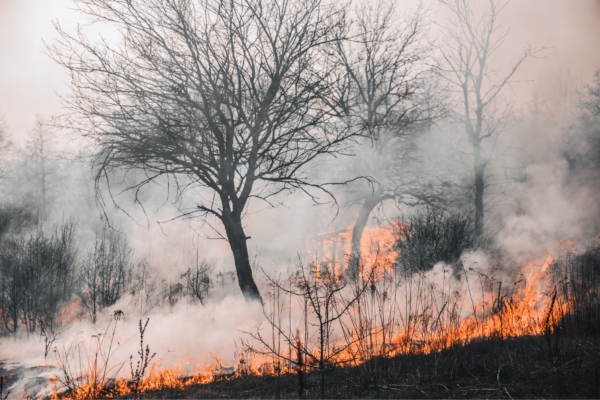
Every spring and fall across West Texas, fire weather conditions return — low humidity, dry grass, and wind that can push flames across thousands of acres in hours. For ranch and land owners in the region, preparation isn’t optional. It’s the difference between losing your structures, livestock, and years of work — or not.
To help landowners take the right steps, we turned to JerriAnn Cornett, Disaster Assessment & Recovery Specialist for Disaster District 7 – West Region with Texas A&M AgriLife Extension Service. Her wildfire readiness guidance forms the foundation of this post.
Start by Knowing What You Own
Before anything else, you need to walk your property recently.
According to Cornett, fires move through fuel: grass, brush, and debris. The more unmanaged a property is, the hotter and faster a fire will burn across it. For absentee landowners, especially, this is a critical blind spot. “If you’re not managing it, something else is — and usually not in your favor,” Cornett notes.
If you haven’t done a full property walk in the past season, that’s where you start.
Manage Your Fuel Before It Manages You
One of the most actionable things a landowner can do when it comes to wildfire readiness is to reduce the available fuel load on their property. Cornett recommends:
-
Mowing, grazing, or clearing heavy grass and brush growth
-
Maintaining roads, fence lines, and open areas to limit fuel continuity
-
Creating defensible space around any structures on the property
You don’t need to clear everything. But you do need to be intentional. A well-grazed pasture burns very differently from one that hasn’t been managed in years.
Access: Non-Negotiable in a Wildfire
When fire is moving, minutes matter. If emergency responders can’t efficiently reach your property, the outcome changes dramatically.
Cornett identifies access as one of the three most important factors in wildfire readiness. Landowners should ask themselves:
-
Can a fire truck get through your gate? Gates should be at least 10 feet wide.
-
Are your roads wide enough and in drivable condition?
-
Are your entrances clearly marked?
Locked gates and overgrown roads don’t just slow a fire response — they can stop it entirely. If you’re not local, Cornett emphasizes making sure that a trusted person nearby has access and knows how to help coordinate the response.
Water: Only Useful If It’s Reachable
Many ranches have ponds, tanks, or wells, but water sources are only an asset if responders can find and use them.
Per Cornett’s wildfire readiness guidance, landowners should:
-
Know exactly what water sources exist on their property
-
Ensure those sources are physically accessible by a vehicle or pump
-
Make it clear to local fire departments that the water can be used
Water that can’t be accessed during a fire is functionally equivalent to having no water at all.
Decide What Gets Saved Before the Fire Starts
This is a decision most people don’t want to make, but Cornett is direct about it: you will not have time to figure out priorities once a fire is moving toward you.
Think through now:
-
Which structures matter most and are most defensible?
-
Where are your livestock, and what is the plan to move them?
-
What is your order of priorities?
Hard decisions made early are better than rushed ones made in smoke and chaos.
Don’t Ignore the Hazards Already on Your Property
Some of the biggest risks in a wildfire are things landowners have learned to overlook. Cornett wildfire readiness tips point to several common hazards that can dramatically worsen a fire situation:
-
Propane or fuel tanks stored near structures
-
Heavy fuel buildup: brush piles, cedar thickets, dry grass against buildings
-
Rough or blocked roads that delay response
Small issues become big problems fast in a fire environment.
You’re Part of a Bigger Picture
Wildfire doesn’t stop at your fence line. It affects your neighbors, and theirs affects you.
Cornett encourages landowners to:
-
Know your neighbors and maintain a working relationship
-
Share contact information so communication can happen quickly
-
Work together when it counts, coordinated neighbors are a genuine force multiplier in fire response
For absentee landowners in particular, this communication network isn’t optional. This wildfire readiness tip fills the gap left when you’re not on the ground.
The Bottom Line: Access. Fuel. Water.
Cornett summarizes wildfire readiness for landowners in three words: Access. Fuel. Water.
If you can honestly answer those three factors for your property — even if you’re not there every day — you’re in a significantly better position than most. Start there.
At Ekdahl Real Estate, we understand that owning land in Texas comes with both opportunity and responsibility. From farm and ranch properties to recreational tracts, preparation and stewardship are key to protecting your investment.
Experience the Ekdahl Edge by working with a team that understands not just how to market land, but how to help you care for it.
Information in this wildfire readiness post was provided by JerriAnn Cornett, Disaster Assessment & Recovery Specialist, Disaster District 7 – West Region, Texas A&M AgriLife Extension Service. For additional resources on wildfire preparedness in Texas, visit Texas A&M AgriLife Extension Service.