
Things to Know About the New World Screwworm
Recent news surrounding the New World Screwworm (NWS) has generated significant attention across Texas and the agricultural community. While the topic can sound alarming at first glance, understanding the facts is important for ranch owners, land managers, and anyone involved in rural property ownership.
The New World Screwworm is not a new pest. In fact, it was successfully eradicated from the United States decades ago through one of the most successful animal health programs in agricultural history. Today, federal and state agencies are once again working together to prevent the pest from becoming established in the U.S.
For Texas landowners, the best approach is staying informed, understanding the current situation, and knowing what ongoing response efforts are underway.
What Is the New World Screwworm?
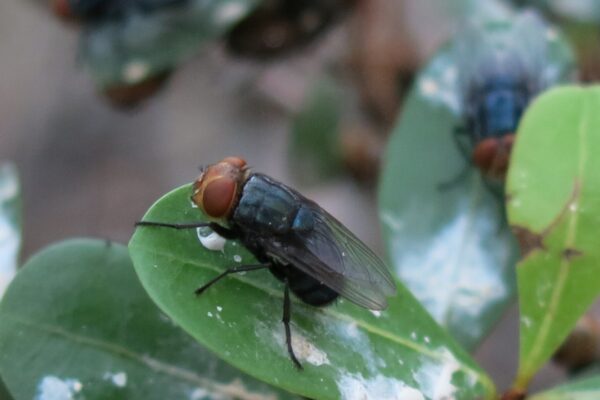
According to APHIS, a division of the USDA, the New World Screwworm is the larval stage of a specific fly species, Cochliomyia hominivorax. Unlike common maggots that feed on dead tissue, screwworm larvae feed on living tissue in warm-blooded animals.
Livestock such as cattle, sheep, goats, horses, and deer can be affected. Wildlife, pets, and in rare circumstances, humans can also become hosts. The flies typically lay eggs in open wounds, recent surgical sites, navels of newborn animals, or other natural body openings. Once hatched, the larvae feed on living tissue and can cause serious injury if left untreated.
Why Is the New World Screwworm Making Headlines?
Since 2023, New World Screwworm has spread northward through parts of Central America and Mexico, prompting increased surveillance and response efforts by animal health officials. Recent detections have heightened awareness among livestock producers and landowners across the southern United States.
While these detections have generated headlines, they do not mean the pest is widely established across the United States and in fact, the CDC has noted that the current risk to humans and animals in the U.S. is very low. Instead, they have triggered coordinated containment and eradication efforts involving federal, state, and international agencies to help stop the spread.
On June 3, 2026, the UDSA confirmed the first animal case in the current outbreak in Zavala County, Texas.
Why Does This Matter to Texas Ranch Owners?
Texas leads the nation in cattle production and contains millions of acres of working ranch land. Because livestock operations often involve large acreages, extensive grazing systems, and wildlife interactions, ranch owners are among the stakeholders paying the closest attention to developments.
For ranch owners, awareness is important because animals with wounds require additional observation, and newborn livestock can be more vulnerable. Routine herd health checks become even more valuable when a health crisis occurs, and early identification allows for faster treatment and containment.
It may also be important for wildlife managers to monitor deer and other wildlife populations more closely. Current recommendations from animal health officials focus on vigilance and monitoring rather than major operational changes.
What Should Landowners Expect Going Forward?
As response efforts continue, Texas landowners may see increased communication from several local, state, and federal agencies, such as: USDA Animal and Plant Health Inspection Service (APHIS), Texas Animal Health Commission, Texas A&M AgriLife Extension Service, county extension offices, and veterinarians and livestock associations.
In areas where cases are detected, officials may establish surveillance zones, increase inspections, and implement livestock movement requirements designed to support containment and eradication efforts.
For many landowners, the most noticeable impact may simply be heightened awareness and a renewed focus on animal health management.
How Is the United States Responding to the New World Screwworm?
One reason agricultural leaders remain cautiously optimistic is that the United States has successfully defeated New World Screwworm before.
The primary tool used historically (and again today) is the Sterile Insect Technique. Scientists raise large numbers of male screwworm flies, sterilize them, and release them into affected areas. Because female screwworm flies typically mate only once, mating with a sterile male prevents reproduction and gradually reduces the pest population.
This strategy was instrumental in eradicating New World Screwworm from the United States in the 1960s and remains the cornerstone of modern response efforts.
Current efforts include, expanding surveillance and testing, rapid investigation of suspected cases, livestock movement controls where necessary, sterile fly release programs, expansion of sterile fly production facilities, and coordination between U.S., Mexican, and Central American animal health agencies.
What This Means for Texas Land and Ranch Ownership?
While New World Screwworm is an important agricultural issue, it is best viewed as an animal health challenge rather than a land market issue.
Historically, Texas agriculture has adapted successfully to disease outbreaks, invasive species concerns, drought conditions, and other operational challenges. The current response demonstrates significant coordination among federal agencies, state agencies, veterinarians, livestock producers, and researchers.
For buyers and owners of Texas ranch land, the situation reinforces the value of active land stewardship, sound livestock management practices, and staying informed about developments that affect agricultural operations.
The Bottom Line
The New World Screwworm is a serious livestock pest that animal health officials are actively working to prevent its reestablishment in the United States. Significant resources are already being deployed, including surveillance programs, containment efforts, and expanded sterile fly operations.
For Texas landowners and ranch owners, the most important takeaway is awareness. Understanding what the pest is, how response efforts work, and where to find reliable information can help landowners stay informed as the situation evolves.
Our team at Ekdahl Real Estate are staying up to date on the latest information about the current outbreak and will work with our clients to ensure they are informed and educated about what they need to do and what they need to be aware of.